Eaves Rally
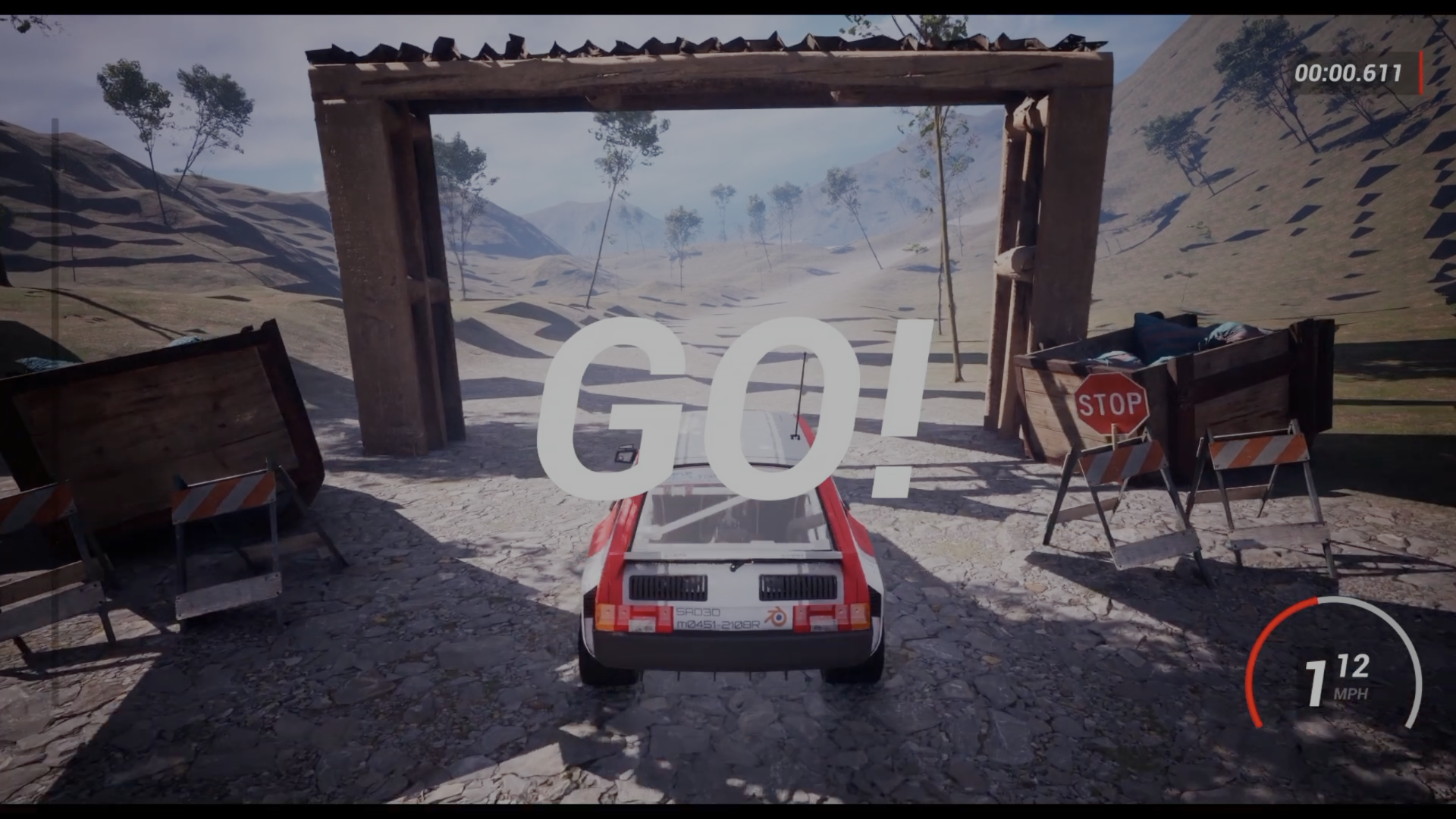
A simulation rally game featuring the iconic Lancia Delta, built in Unreal Engine 5 with realistic Chaos Vehicle physics and a handcrafted pace note system.
video
screenshots
about
About the Project
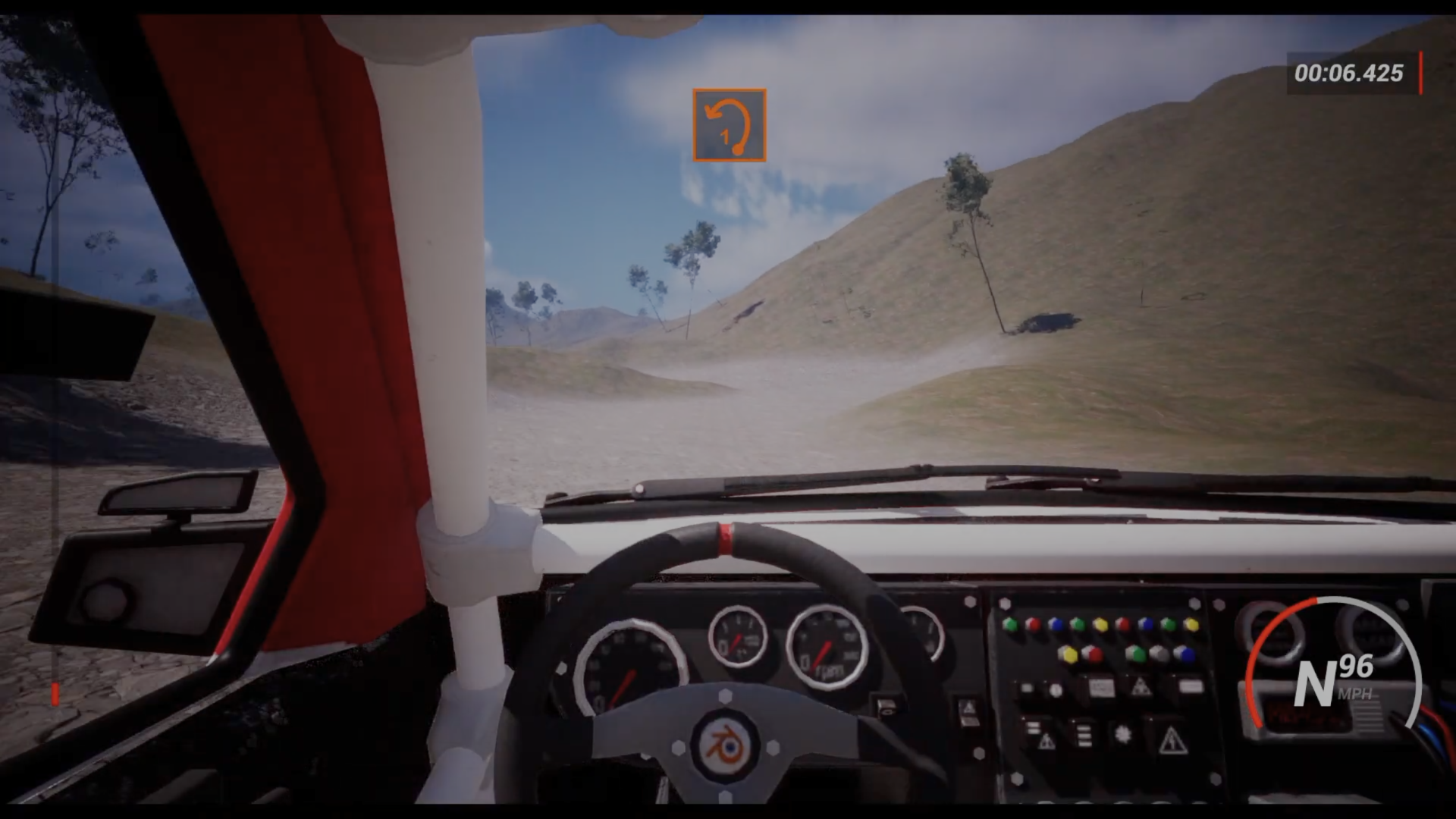
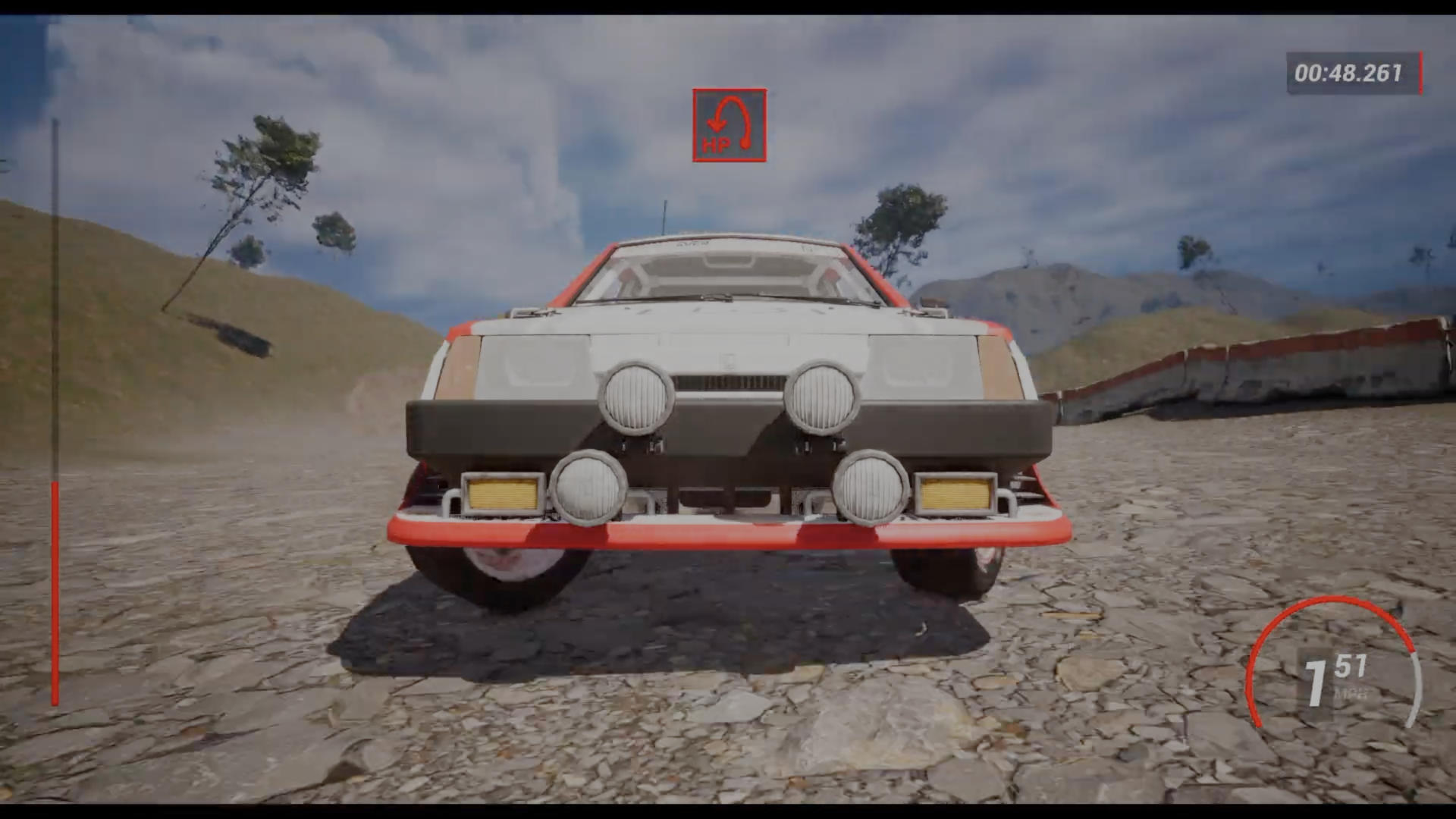
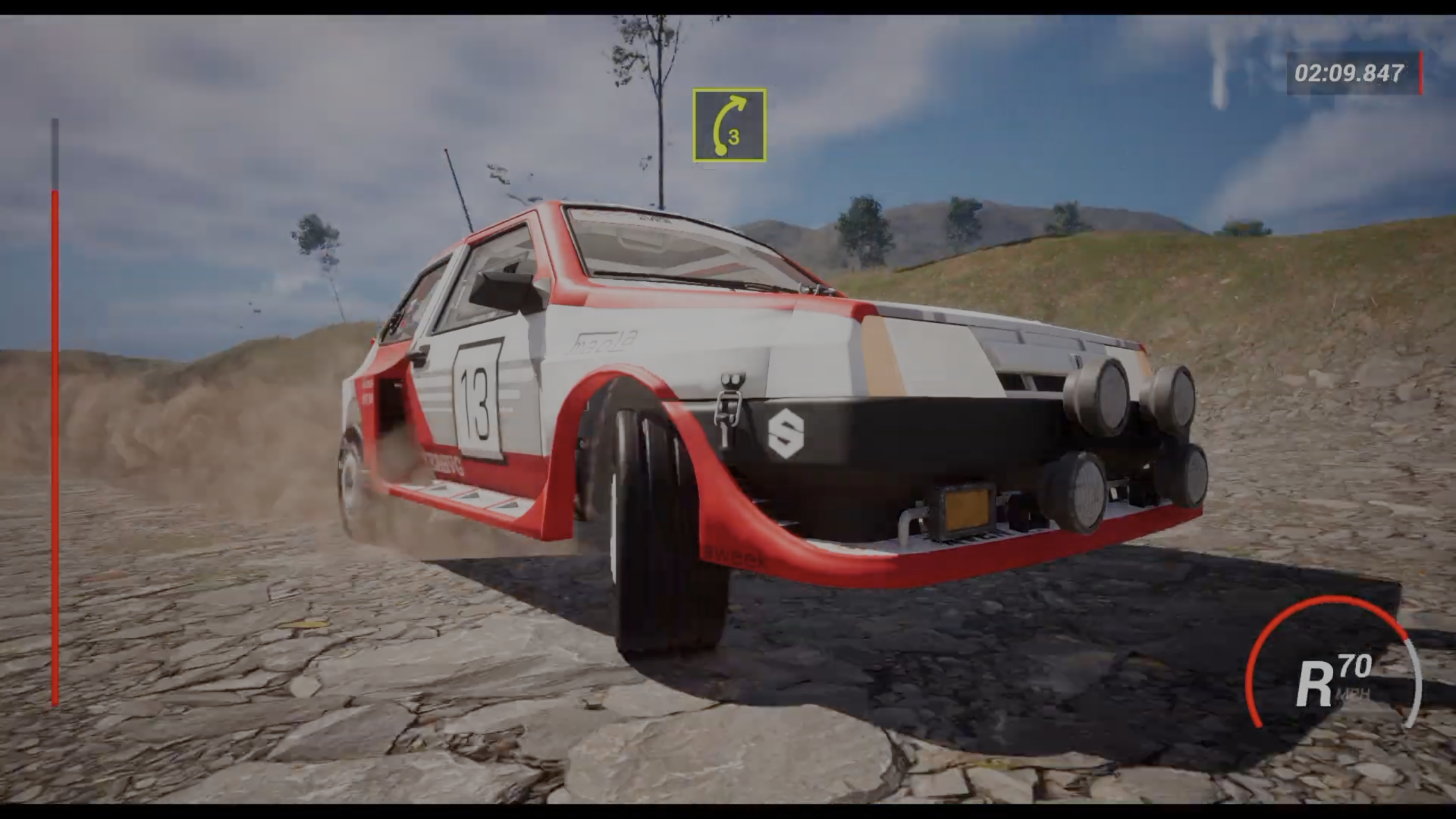
Eaves Rally is a simulation-focused rally game built around the iconic Lancia Delta Integrale — one of the most celebrated rally cars in motorsport history. The game features a single-player time trial mode where the goal is simple: get down the stage as fast as possible.
The project started as a University module on prototyping gameplay systems, but it quickly became a passion project. I've always been deep into motorsport and sim racing — Gran Turismo 7, Dirt Rally 2.0, Assetto Corsa Evo — and I own my own sim rig. Building a rally game felt like the natural intersection of my personal interests and my professional development as a gameplay programmer.
Pace Notes
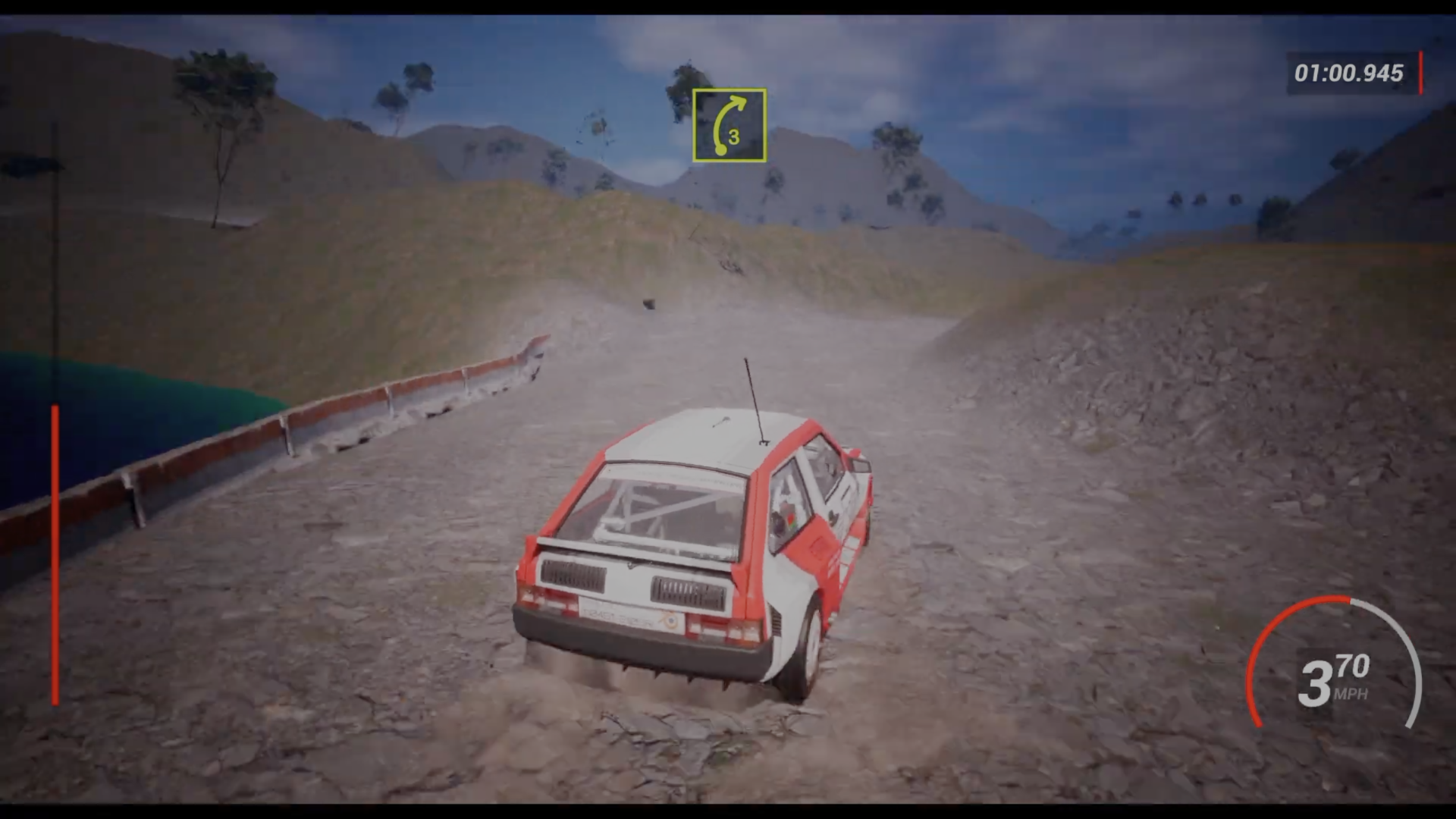
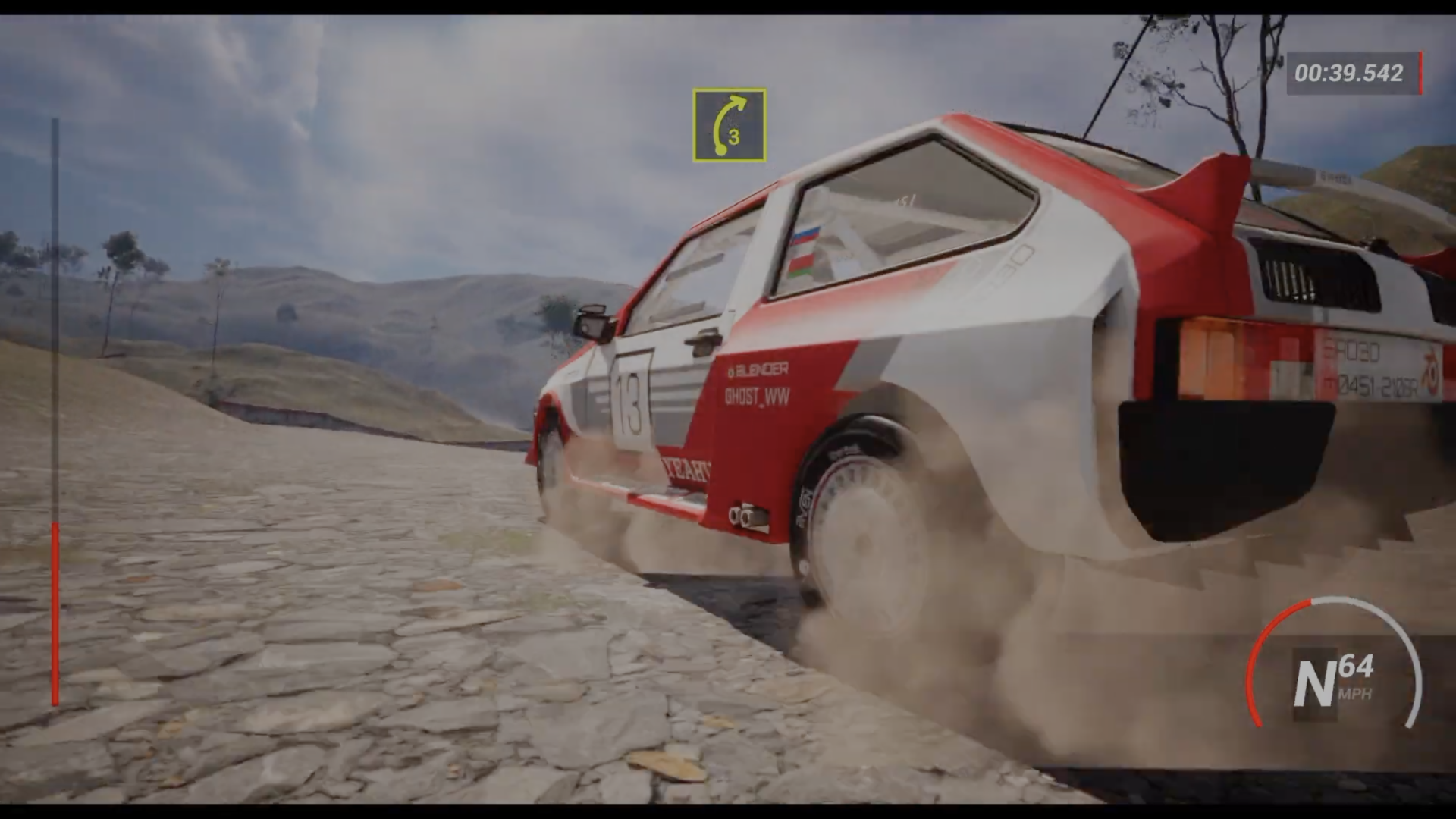
The most distinctive feature is the pace note system. I recorded all the pace notes myself, in my own voice, and processed them in Audacity to simulate the sound of a co-driver calling through a radio mic. I then built a world trigger system in Unreal that plays the relevant audio recording and displays a custom icon — designed in Adobe Photoshop — as the car crosses each trigger point on the track. The result is a system that feels authentic and adds real tension to each stage.
Features
Simulation-tuned Chaos Vehicle physics with multiple vehicle tunes, a handcrafted pace note system with custom audio and iconography, PCG-driven foliage and terrain generation from heightmaps, and integration between Chaos Vehicles and the Gameplay Ability System.
tech breakdown
The vehicle physics are built on top of Unreal Engine 5's Chaos Vehicles system, extended with multiple hand-tuned vehicle setups using Blueprints. Getting the physics to feel right took significant iteration — Chaos Vehicles is powerful but requires a lot of playtesting to dial in a feel that's both challenging and satisfying.
One of the more interesting technical decisions was integrating Chaos Vehicles with the Gameplay Ability System (GAS). This gave a clean, data-driven way to handle vehicle abilities and state, and made it straightforward to extend the system with new mechanics.
Environment generation is handled by Unreal's PCG (Procedural Content Generation) framework, using a heightmap as the terrain source. The initial PCG setup was fiddly to get right, but once it was working it dramatically sped up the process of building and iterating on new stages.
what i learned
Chaos Vehicles requires a lot of patience. The tuning process is iterative and feel-driven — small changes to suspension, friction, and mass distribution have a huge impact on how the car handles. Having a sim racing background helped me understand what "good" physics should feel like, but translating that into the right parameter values took a lot of trial and error.
The pace note system was one of the most creatively satisfying things I've built. Recording, editing, and integrating my own audio added a layer of personality to the project that I didn't expect — and it's the feature that most people notice first when they play it.
PCG is a powerful tool but has a steep setup curve. Once it clicked, building environments became significantly faster. I'd use it from the start on any future project with large outdoor environments.