Slime Climb
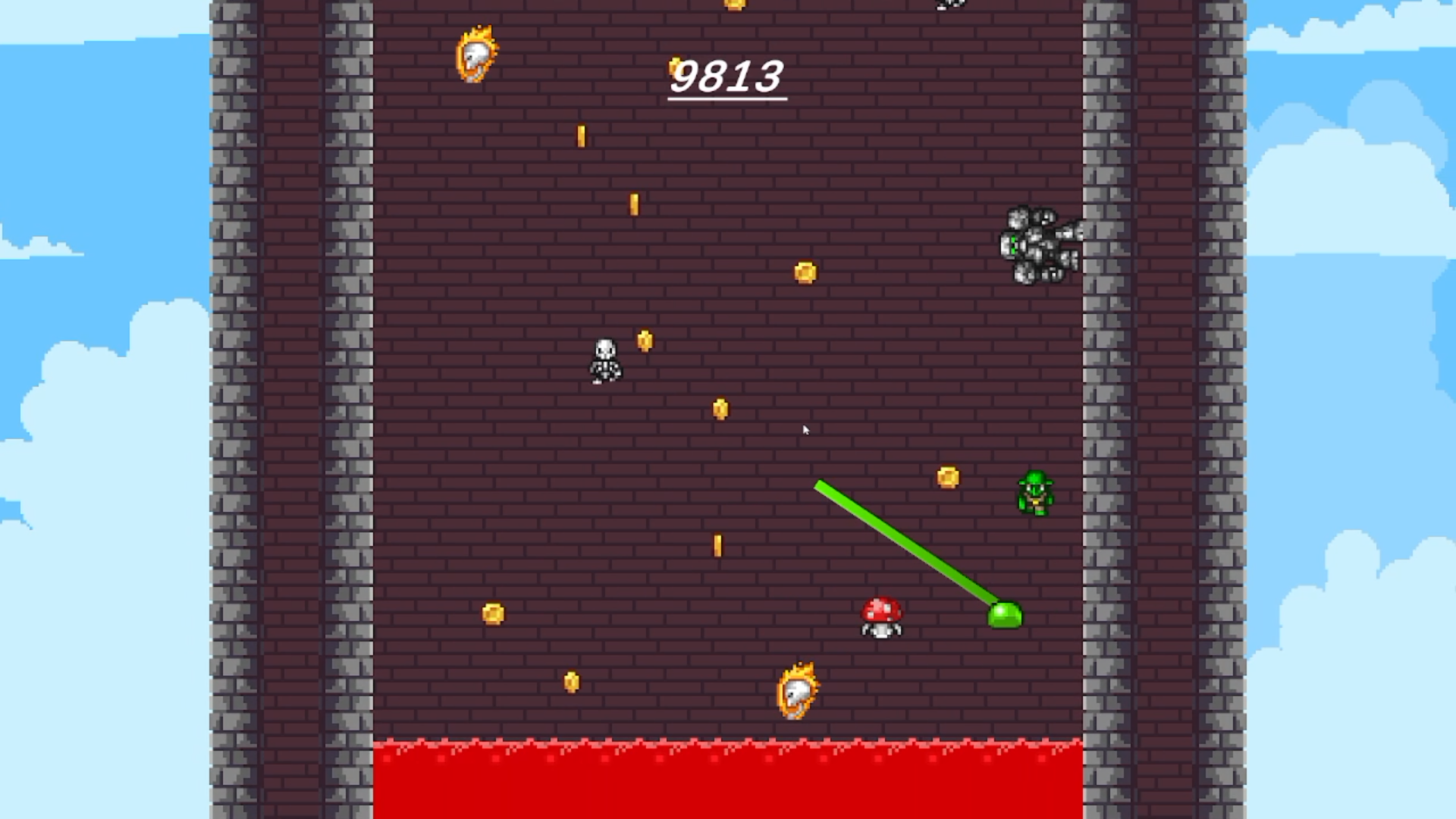
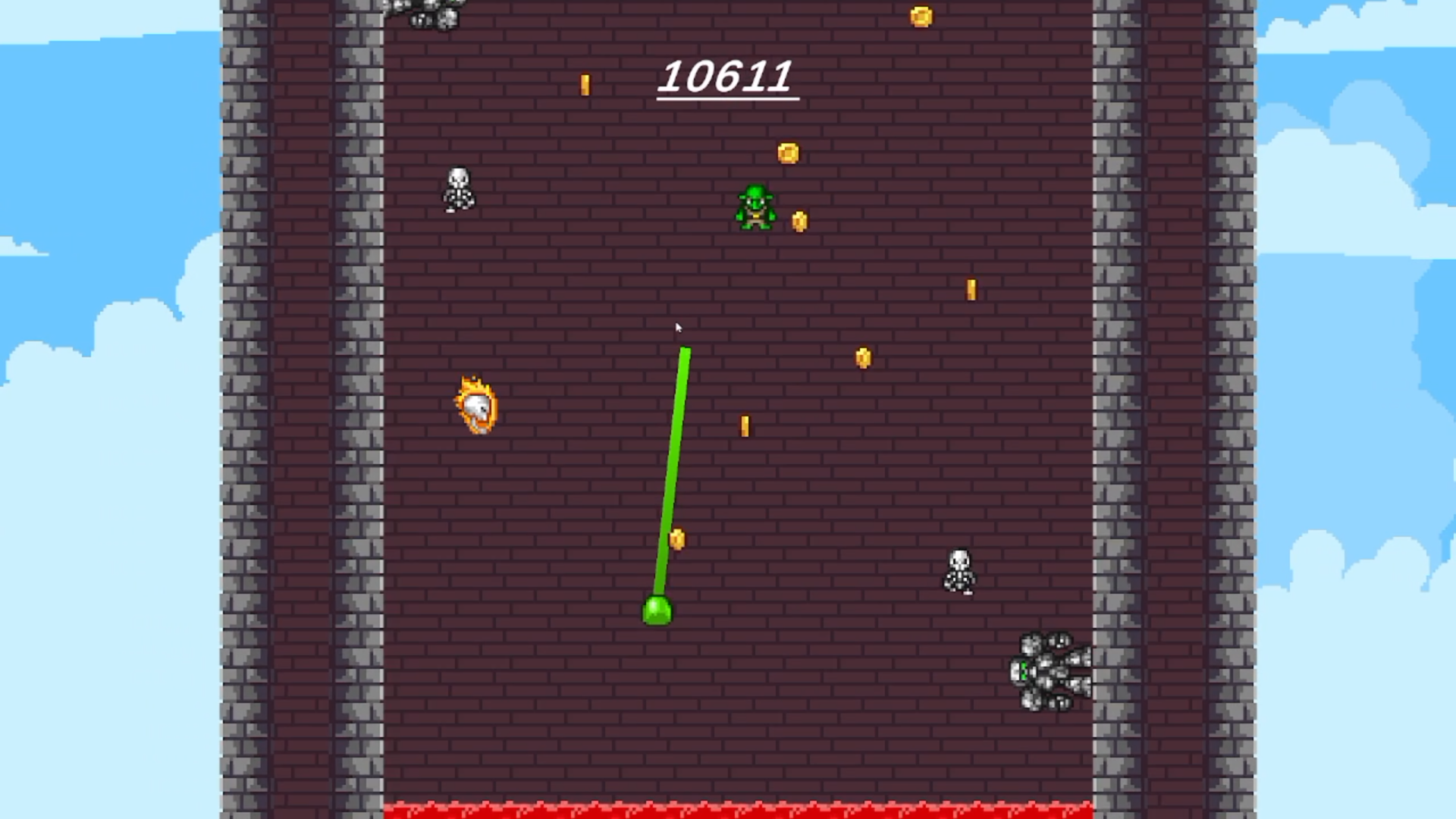
A 72-hour game jam winner. Play as Hopper, a slime trapped in a wizard's tower with rising lava, and climb as high as you can using a physics-driven grapple arm.
video
screenshots
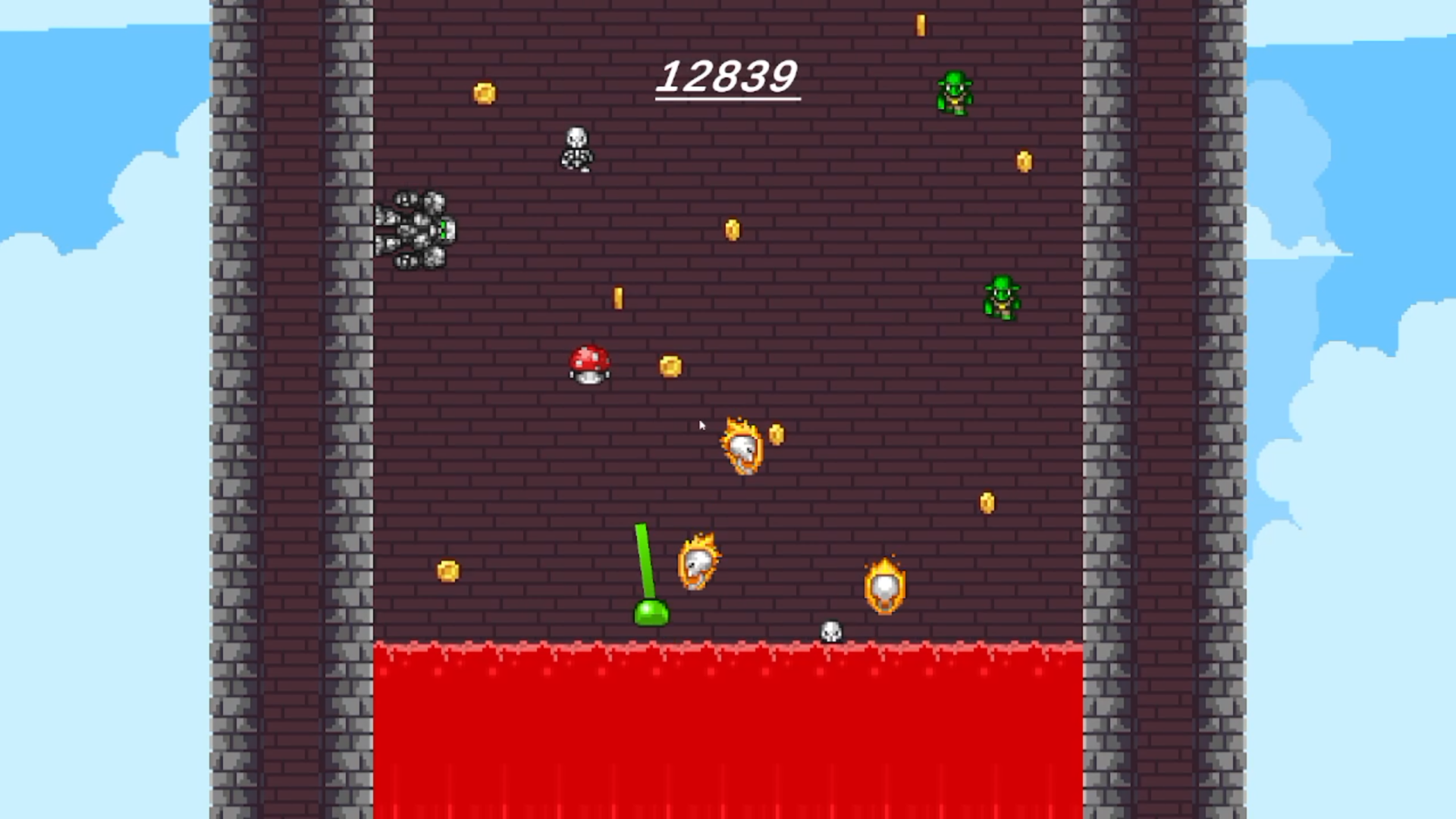
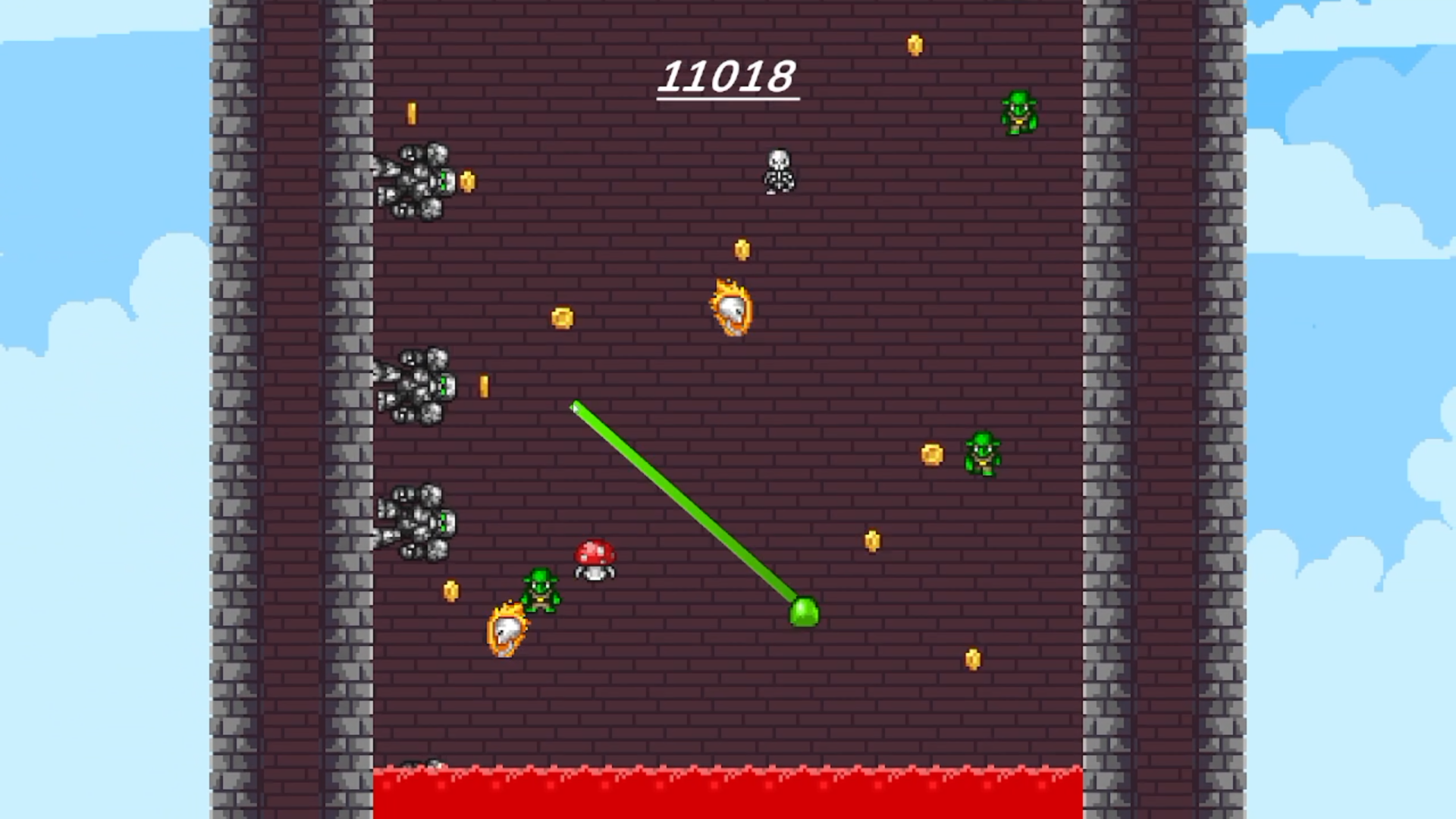
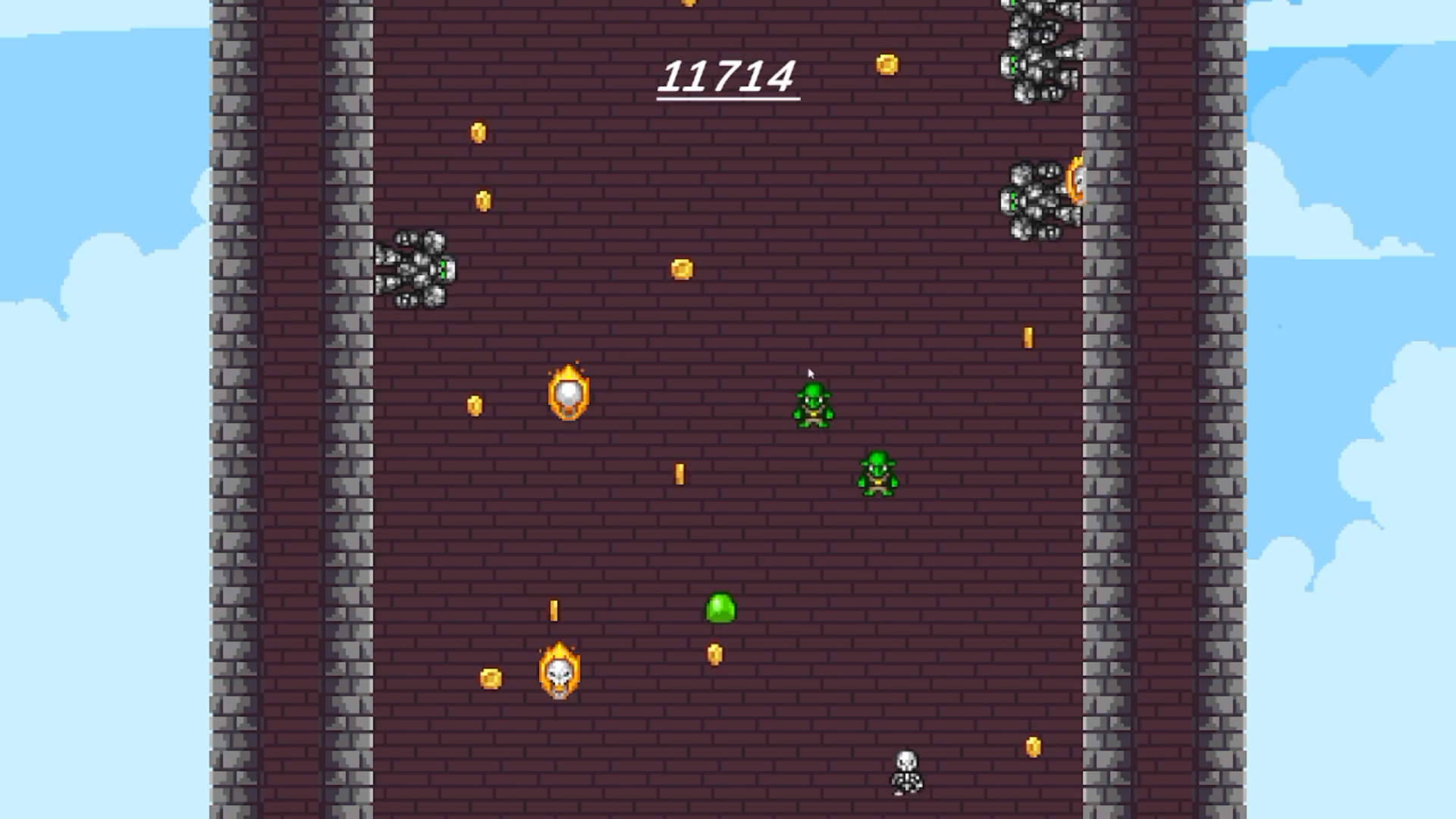
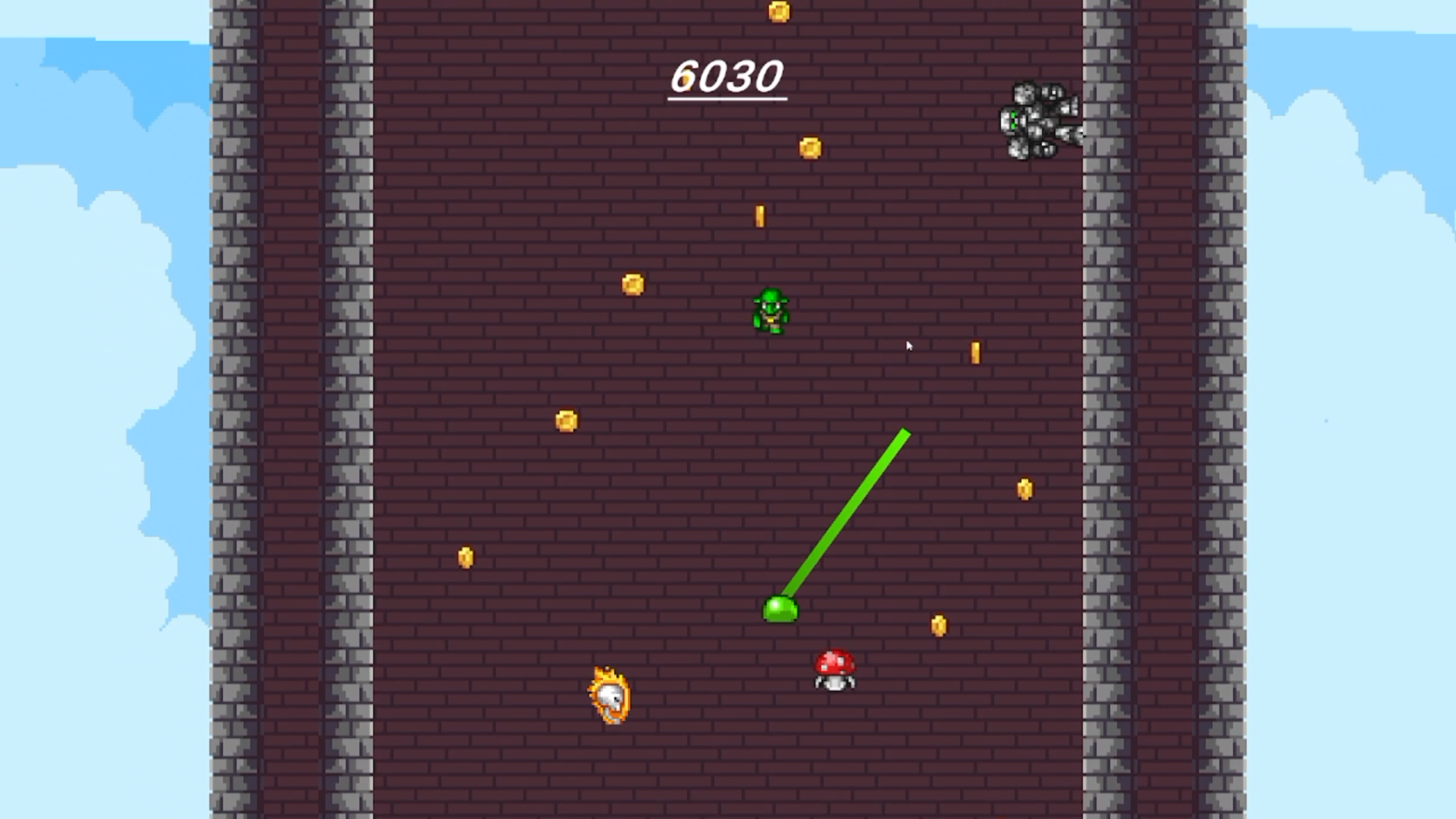
about
About the Project
Slime Climb was built in 72 hours for the GT Jam, hosted by the Staffs Games Institute. You play as Hopper — a slime trapped in a wizard's tower with lava rising fast from below. The tower extends infinitely upward, so the only option is to climb. Dodge enemies, collect coins, and chase your highscore for as long as you can survive.
The game was judged by three developers from Codemasters — the EA-owned studio behind DiRT, GRID Legends, and the F1 series. We won, and they told us we should release it on the App Store and Google Play.
The Grapple Mechanic
The heart of the game is Hopper's grapple arm. Getting the physics right was one of the most enjoyable challenges of the jam — the nuance in how the arm swings, stretches, and releases is what gives the game its easy to learn, hard to master quality. Chasing highscores becomes increasingly addictive as you learn to use the grapple more efficiently, and collecting coins for bonus points adds extra risk to every climb.
Features
Infinite procedural tower, physics-driven grapple arm, multiple enemy types, coin collection for score multipliers, rising lava as a constant threat, and a highscore loop that keeps you coming back.
tech breakdown
Built in Unity with C# over 72 hours. I handled all the code while working alongside two artists who produced all the sprites and visual assets.
The grapple arm physics was the most involved system. Getting it to feel satisfying required careful tuning of the joint constraints, spring forces, and release timing. Too stiff and it feels rigid and unforgiving; too loose and it feels out of control. The sweet spot is what makes the movement feel expressive and skill-based rather than just functional.
what i learned
Game jams are a completely different discipline to regular development. With 72 hours on the clock, every decision has to be ruthless — scope, art style, core mechanic. We cut anything that wasn't essential to the core loop and it paid off. The game is small but it's tight.
The judges' feedback was the biggest validation. Having Codemasters developers tell us the game was good enough to ship commercially gave me a lot of confidence — not just in this project but in my ability to build something polished and fun under pressure.
Working with artists for the first time was also a valuable experience. Having dedicated art meant I could focus entirely on code and systems, and the game looked significantly better for it. Communication and clear handoff points matter a lot when time is tight.